
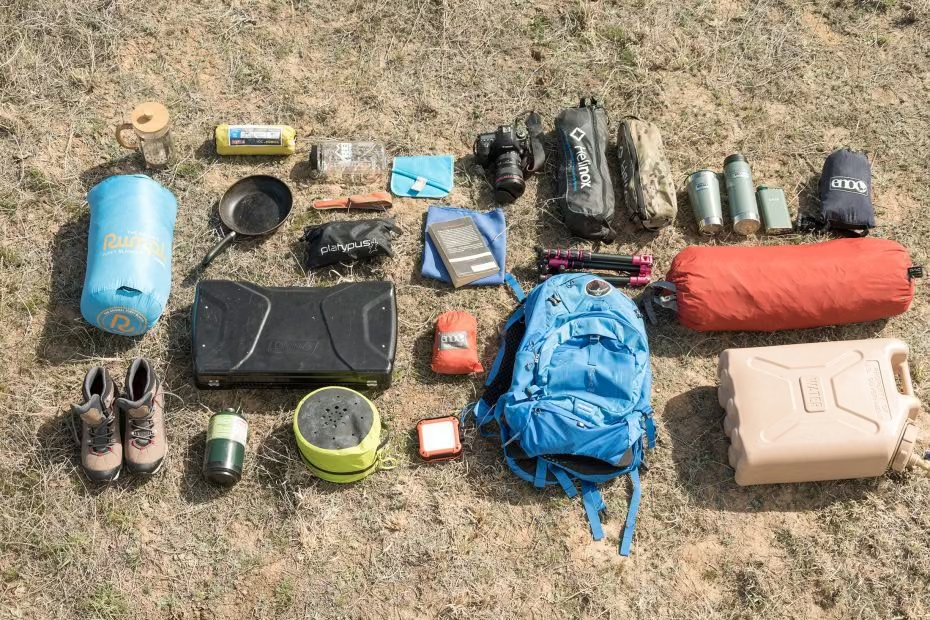
Camping in the Great Smoky Mountains is an unforgettable experience! Fresh mountain air, flowing streams and towering trees make for the ideal getaway from daily life. However, the Smokies also are a home to many wildlife species. Therefore, it is important for each camper to know about Smoky Mountains Wildlife Safety before getting set up at camp.
Fortunately, most wildlife sightings are harmless if precautions are taken. Naturally, wild animals aren’t keen when people take up their space. So, it’s important to take mandatory steps for an enjoyable and danger free experience!
This guide covers all your needs so you can be confident in having a wonderful camping trip.
The Importance Smoky Mountains Wildlife Safety
The Great Smoky Mountains National Park is one of the most biologically diverse areas in North America. Black bears, white-tailed deer, wild turkeys, elk, snakes, coyotes and many other small animals are found here. With millions of visitors to the park annually, responsible camping is more critical than ever.
Wildlife are dangerous primarily when they are associated with humans for food and/or are threatened. Thankfully, there are some simple Smoky Mountain safety tips to help minimize the risk of unpleasant encounters.
Common Wildlife You May Encounter
Knowing what animals live in the Smokies helps you react appropriately.
| Animal | Likelihood | Safety Tip |
| Black Bears | Common | Keep your distance and secure all food. |
| White-tailed Deer | Very Common | Never feed or approach them. |
| Elk | Seasonal | Stay at least 50 yards away. |
| Coyotes | Occasional | Do not leave food outside. |
| Snakes | Occasional | Watch where you step and avoid tall grass. |
| Raccoons & Skunks | Common | Store food securely and keep campsites clean. |
Most animals are simply looking for food or passing through their habitat. Respecting their space keeps everyone safe.
Black Bears: The Biggest Wildlife Concern
When talking about Smoky Mountains wildlife safety, black bears are the most important to discuss.
The Smokies are home to one of the larger protected black bear populations found in the eastern U.S. Bear attacks are very uncommon but bears are wild animals and should always be treated with caution.
How to Avoid Bear Encounters
Here’s what you need to do:
- Keep food in bear-proof lockers or food storage cables.
- Never leave coolers outside unattended.
- Store all perfumed products safely, such as toothpaste, soap, deodorant and pet food.
- Wash cooks’ utensils after use.
- Dispose of garbage in bear-proof garbage cans.
- Never feed wildlife.
- A clean campsite is one of the best ways to prevent unwanted visitors.
If You Spot A Bear:
Seeing a bear can be exciting. However, staying calm is essential.
If you spot a bear:
- Stop and stay calm.
- Keep at least 50 yards away.
- Slowly back away without turning your back.
- Never run.
- Talk in an even tone to assure the bear that you are human.
- Keep children close.
- If the bear changes its behaviour or approaches you, remove yourself from the area.
When approached by a bear, stand up, make yourself look bigger, and make loud noises. When used correctly, bear spray can be a useful measure as a last resort. Park officials recommend not playing dead when confronted with a black bear, but to fight back.
Store Food Properly
Food storage is a very critical aspect of Smoky Mountains wildlife safety.
Bears aren’t the only animals attracted to food smells. Animals like raccoons, squirrels, skunks and more can easily infest a campsite.
Food Storage Safety Checklist
- Store food in bear proof containers.
- Keep the scented products with the food items.
- Do not store food in a sleeping tent.
- Wash up grills and picnic tables after eating.
- Clean up and dispose of crumbs and food scraps promptly.
- If it is safe to do so, keep food in your car at your campground.
Keep in mind that garbage bags, especially those with empty contents, will attract wildlife too.
Keep Your Campsite Clean
Wildlife will enter a camp if it is left in a messy condition.
Rather, stick to a daily job of cleaning up.
Camp Safety Practices include:
- Washing dishes immediately.
- Cleaning up at approved trash disposal areas.
- Not storing uneaten waste.
- Keeping food away from where the fire is.
- Washing cooking surfaces before retiring to bed at night.
These small steps protect both campers and animals.
Be Careful During Hikes
Most encounters with wildlife occur when hiking, not while in camp.
So take to the hills with these tips in mind:
- Follow designated trails.
- Hike in small groups, when possible.
- Walk noisily, particularly around blind corners.
- Control pets as required.
- Do not wear headphones that block out other sounds.
- Look for new animal tracks or scat.
Animals will typically respond by leaving the area when people are approaching.
Respect Every Animal
Bears are the main attraction for many visitors. But other wildlife deserves respect as well.
For example:
- Do not come near a deer, particularly during the breeding season.
- Elks are unpredictable and will be aggressive if disturbed; stay a distance from them.
- Be careful when placing your hands or feet near rocks or logs as snakes will sometimes hide in these locations.
- Never feed birds, squirrels or raccoons.
Wildlife is altered by feeding, and can create hazardous situations for animals and humans.
Educate Kids about Smoky Mountain Wildlife Safety
Camping is a wonderful learning experience for children.
Make sure to teach these basic guidelines prior to your visit:
- Never chase wildlife.
- Keep close to an adult.
- Be quiet when talking to animals.
- Animal tracks, nests and babies should be avoided.
- If they see a bear or other large animal, tell an adult right away.
By teaching kids these habits, they’ll enjoy and have a safer camping experience.
Mistakes To Avoid:
A lot of these wildlife issues are due to common ‘camp mistakes’.
These are some of the typical mistakes to avoid:
- Leaving food unattended.
- Selfie with animals.
- Feeding animals.
- Closeness when taking photographs.
- Allowing trash to remain outside overnight.
- Failure to obey signs at the park.
- Running if you encounter a bear.
Rather, be sure to respect wildlife and leave ample space for all animals.
Essential Smoky Mountains Wildlife Safety Checklist
Before leaving for your trip, make sure you have:
- Bear-resistant food storage
- Trash bags
- Flashlight
- First aid kit
- Plenty of water
- Map of the campground
- Put on bear spray (if applicable)
- Proper hiking shoes
- Emergency whistle
Having an idea of what to expect makes all camping trips safer.
Final Thoughts
Smoky Mountains wildlife safety is not fearing nature. Rather, it is about showing respect to animals who live in the Smokies.
As long as you store your food correctly, have a clean campsite, and practice proper hiking etiquette, you can safely enjoy one of America’s most beautiful national parks. The vast majority of wildlife cannot get along with people. Thus, providing space and abiding by park rules protects all.
The Smokies continue to provide memories to be remembered, amazing views, and incredible wildlife experiences. By camping responsibly, you help preserve this beautiful environment for future generations. Check out how you can extend your weekend into a low RV escape!
All Set With Your Smoky Mountains Wildlife Safety?
Whether you’re looking for a weekend retreat or a long camping trip, Gateway RV Camp has you covered when it comes to experiencing the beauty of the Smokies and enjoying nature.